Australian Capital Territory
Canberra alcohol and other drug services
Residential rehabilitation
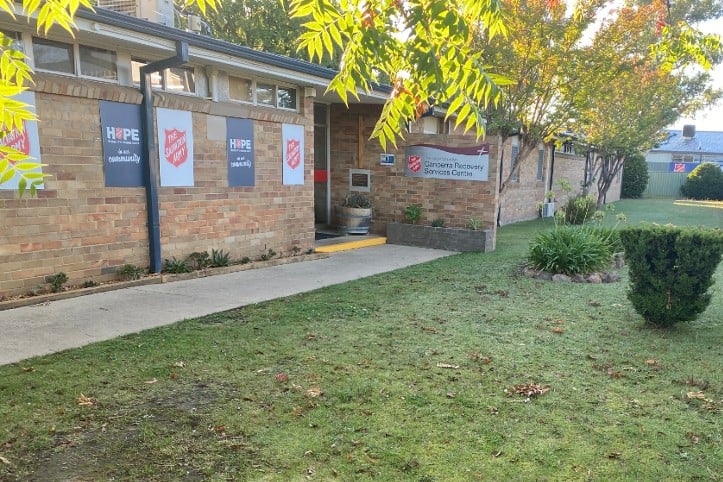
A 37-bed residential rehabilitation treatment program in Fyshwick for people over the age of 18 affected by substance use. Participants each have their own room in a shared lodge.
The service is staffed 24 hours a day, seven days a week, and all meals are provided by the in-house chef, supported by participants as part of their treatment.
What does the program provide?
A substance-free, safe and inclusive residential program for people of all genders who are over 18 years old. The program is accessible to all demographics and priority groups.
All participants have a dedicated case worker providing one-to-one psychosocial support and case management aligned to their individual recovery plan and treatment goals. Care plans are developed in collaboration with participants and informed by comprehensive assessment and case formulation to ensure treatment is individualised, relevant and effective. Using a stepped-care approach, we reduce barriers to access and help people stay engaged in treatment through changing circumstances via flexible service delivery options.
From Monday to Friday, 7.30am–4pm, participants can access a comprehensive suite of groups, individual interventions and other activities. These are supported by a multidisciplinary team to comprehensively meet participant and program needs.
This is a three-phased 12-week program aimed at helping participants better understand and manage substance use, as well as find community, meaning and independence. The program is based on contemporary, internationally-recognised methods, such as cognitive behaviour therapy, acceptance and commitment therapy, and motivational enhancement strategies.
An essential part of the recovery journey is in forming relationships, feeling a sense of belonging and having a routine. We have a program timetable that schedules daily groups and other wellbeing and community participation activities to support life balance and independent living skills.
Our services aim to provide opportunities for participants to further strengthen their connection to community, practice recovery skills and engage in peer recovery and social activities offsite as participants progress through the program.
Transitional supported accommodation
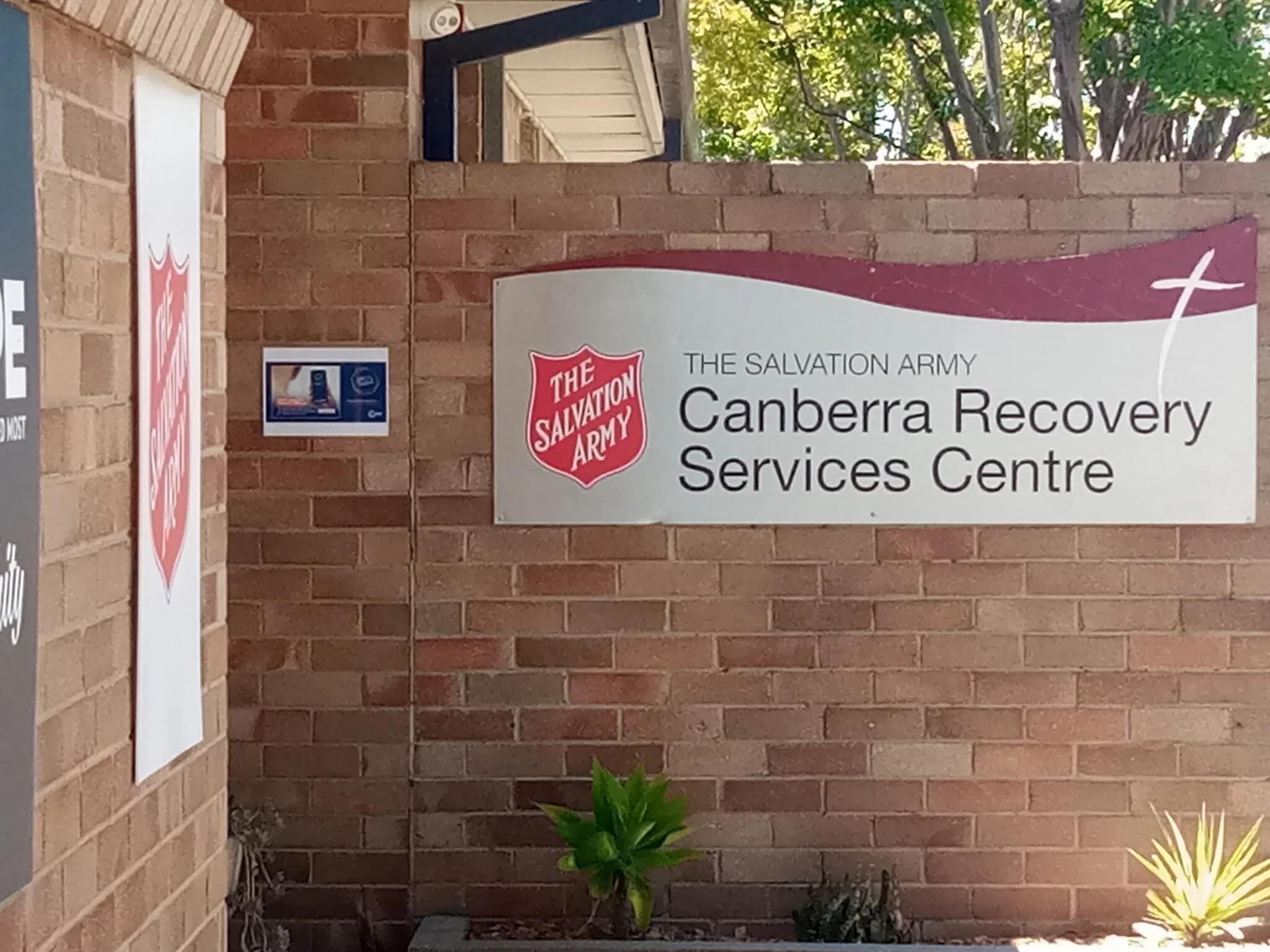
Provides safe, supported, substance free and affordable housing to participants who complete our 12-week residential recovery program and helps participants to maintain recovery from substance misuse as they integrate back into the community.
What does the program provide?
Seven transitional beds for males and three for females across two community-based properties for an initial period of three months and, depending on need and review, up to a maximum of six months.
Residents of the transitional house must engage in education, training or employment and attend our aftercare program at Canberra City Corps (Braddon).
Day program
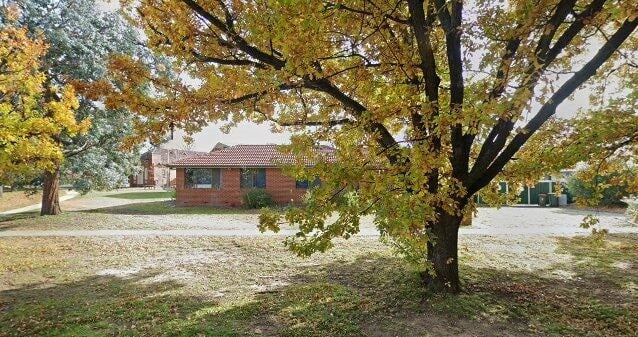
We offer a community-based, structured day program at 1 Elder Street, Braddon.
The Canberra Recovery Hub is co-located with other Salvation Army community services including financial counselling, The Salvation Army Doorways emergency relief (financial and food assistance with support), recovery church and a drop-in centre. The program is for people over the age of 18 affected by substance misuse and other addictions and seeking a non-residential treatment setting.
What does the program provide?
A non-abstinence-based and community-based treatment in a harm-minimisation framework which provides flexibility within the suite of services offered, by intentionally engaging people at various stages in their treatment journey.
Treatment is individualised for each participant through comprehensive assessment, referral, case management and therapeutic groups, and aftercare support. Participants can engage in a particular stage and receive a certificate of completion for that stage dependent on their treatment needs.
Groups run as a three-phased program (each four weeks) from 10am to 2pm, with additional one-to-one support and other social, volunteering and wellbeing activities available.
