
Policy and Advocacy
Advocacy
As part of our vision to “live, love and fight, alongside others, to transform Australia one life at a time with the love of Jesus”, The Salvation Army advocates to influence key decision makers and those who have the power to implement social policy change. This includes our advocacy with federal and state members of parliament. We know from experience that systems-based advocacy — which addresses the root causes of social problems — can make the most difference to those experiencing hardship and injustice.
On this website you can find information about critical issues of social disadvantage in Australia, as well as the tools to contact your local member of parliament to raise your concerns.

Social Justice Stocktake

What you can do
Aboriginal and Torres Strait Islander disadvantage
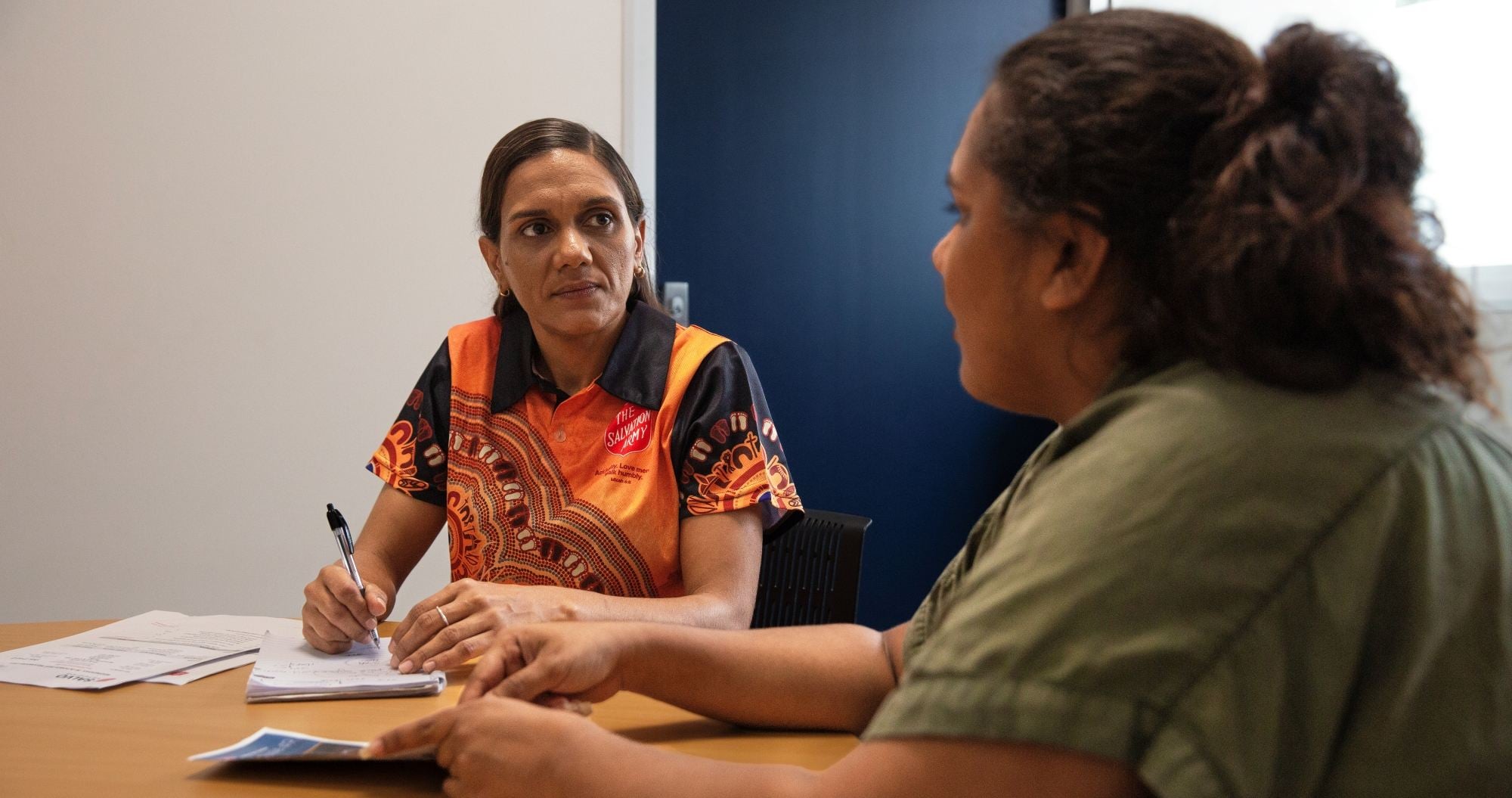
Aboriginal and Torres Strait Islander peoples are part of the oldest living culture in the world. They also experience a disproportionate amount of disadvantage.
There are both historical and current contributors to this. Many of the contributors are systemic and structural. This means we need to address both the hardship experienced and the underlying reasons that have led to them. Aboriginal and Torres Strait Islander peoples have shared a pathway with us to address this social justice issue in the Uluru Statement from the Heart — now we need to walk along it.
Aboriginal and Torres Strait Islander disadvantage intersects with many policy areas. Some submissions which particularly relate to Aboriginal and Torres Strait Islander peoples’ disadvantage are listed below.
Alcohol and other drugs, and gambling
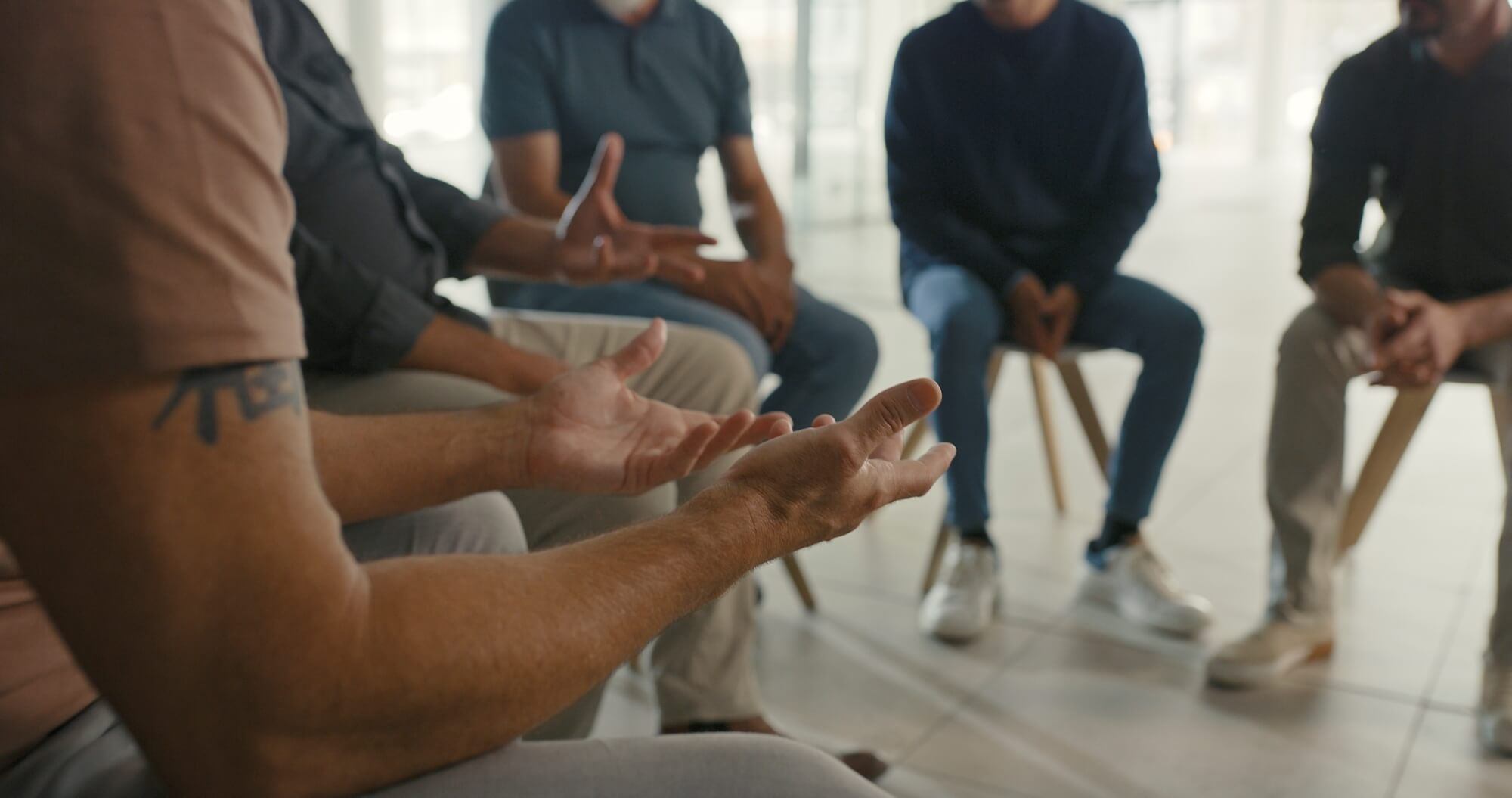
Alcohol and other drug related harm is both a driver and result of other forms of disadvantage. Often a person experiencing alcohol or other drug harm is also experiencing multiple disadvantages at once.
Gambling, and the consumption of alcohol and illicit drugs can place a heavy burden on individuals, families and society. Alcohol and drug use itself can change an individual’s brain, making it harder for them to change behaviour — even when they want to. Alcohol, drugs and gambling can affect health, relationships, jobs and education. The cost to the community from alcohol-related harm is estimated to exceed $14 billion annually.
The Salvation Army’s Alcohol and Other Drug Services aim to prevent and reduce harm for both individuals and the wider community. We provide safe, high-quality, evidence-based support that enables people to minimise harm, pursue fullness of life and to improve outcomes for themselves, their families and communities.
There is a lot we can do to address the harm that comes from alcohol and drug use.
Emergencies and recovery
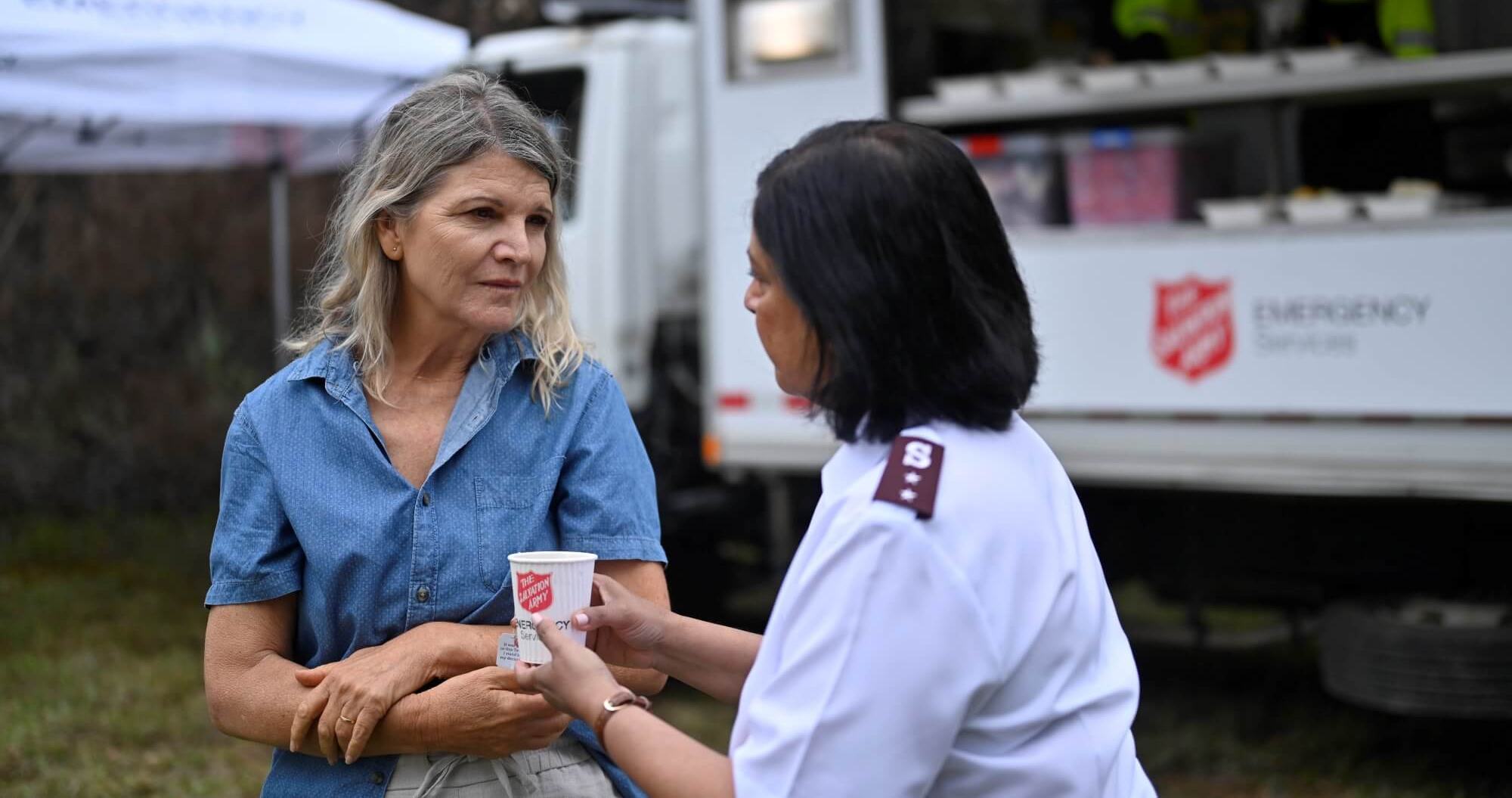
Whether it’s bushfires, floods, storm damage, earthquakes, droughts or the COVID-19 pandemic, The Salvation Army has a long history of working to restore the physical, emotional, environmental and economic wellbeing of communities and people affected by emergencies and disasters.
We also advocate to all levels of government for adequate support to communities and individuals experiencing emergencies and disasters, including:
- Short and medium-term accommodation for those displaced
- Emergency relief and food relief for those in need
- Available and accessible mental health support for the medium to long term; and
- Improved cooperation between all levels of government, as well as the community sector, to provide collaborative wraparound support
We also work to help governments, communities, organisations and individuals to build resilience for future emergencies.
Family and domestic violence
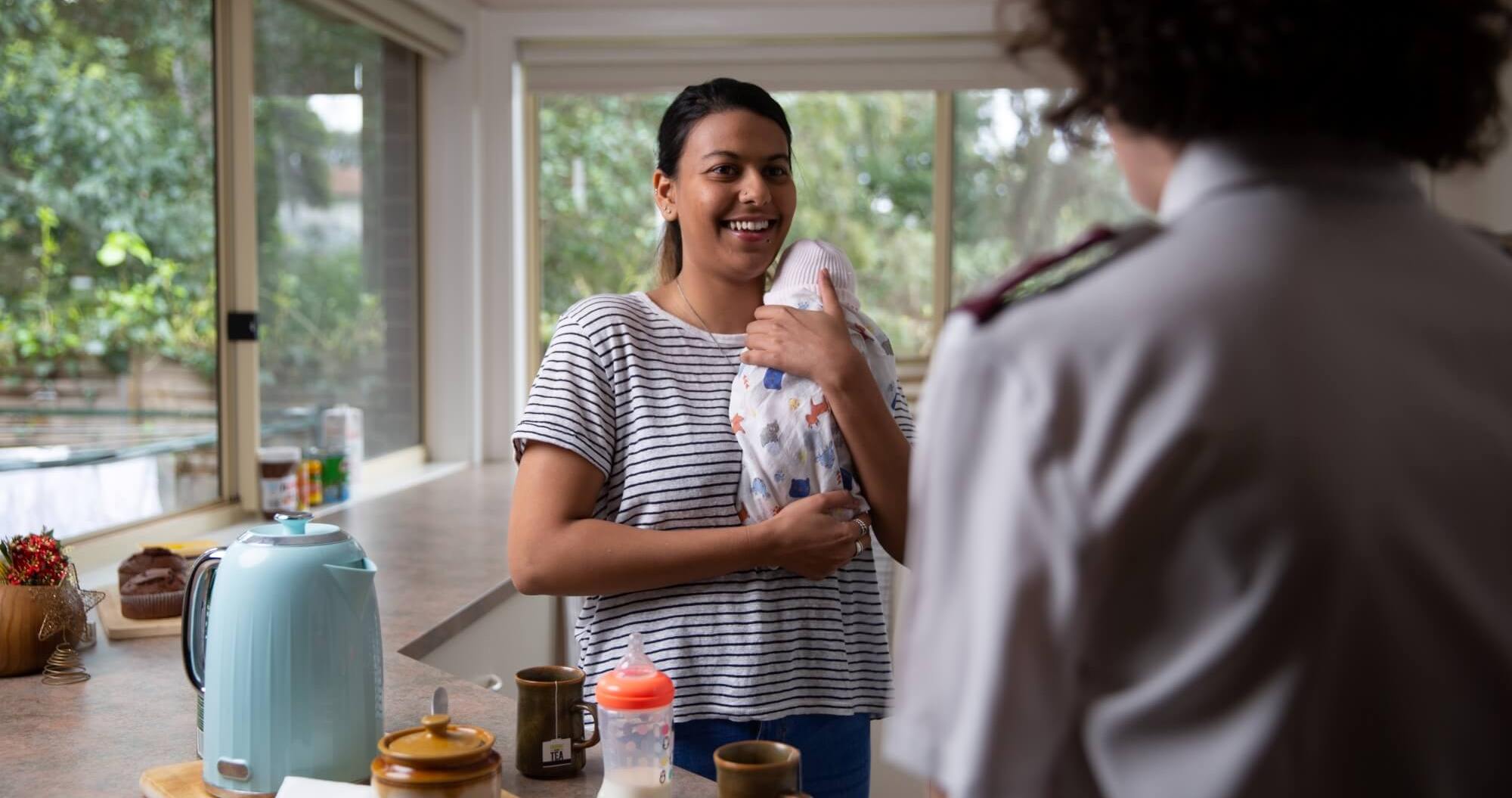
Family and domestic violence is one of the major justice, health and welfare issues in Australia, and it can have lifelong impacts for victim survivors, their families and for whole communities.
The Salvation Army operates family and domestic violence services in almost all states and territories in Australia. Our range of specialist services include outreach, crisis interventions, brokerage, emergency accommodation, transitional housing, and other housing support. The Salvation Army also provides family violence prevention programs to over 2000 men nationally.
We work to ensure that when a victim survivor seeks help, they receive the help they need — including having somewhere to go. This means ensuring there is sufficient funding for support, allowing victim survivors to be physically safe while continuing employment, encouraging them to pursue education, and helping them build and maintain connections.
Family and domestic violence is preventable. Prevention, early intervention and community education remain the most effective ways to address the underlying problem of family and domestic violence. We must continue to educate the community to recognise and call out violence and controlling behaviours as unacceptable.
Financial hardship and inclusion
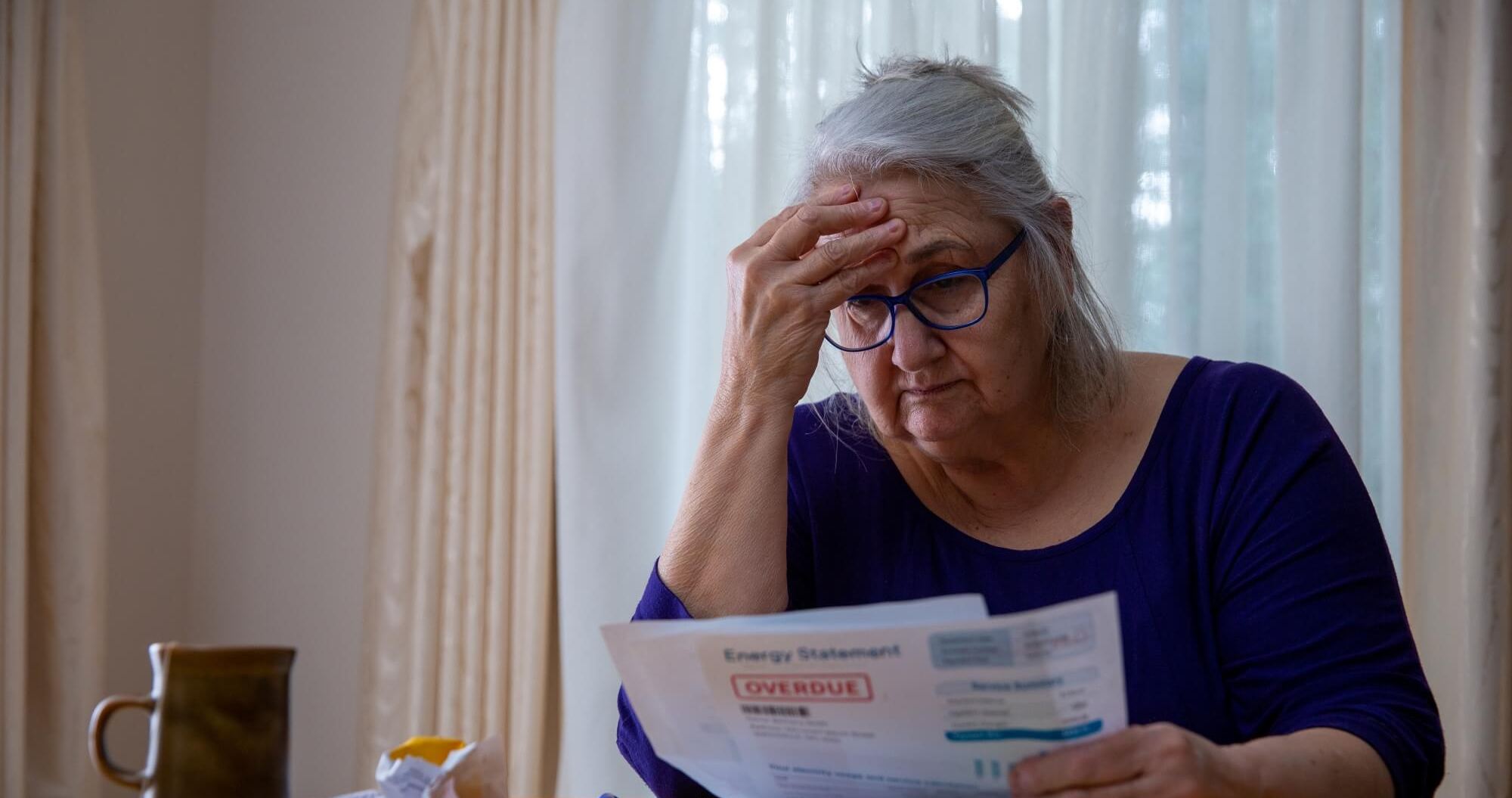
Australia is a wealthy country, but millions of Australians are experiencing poverty and financial hardship. Too often people are forced to live without access to their basic needs like safe shelter, health, or the ability to participate.
The Salvation Army is a major provider of emergency relief, case management and financial counselling across the country. We also advocate to all levels of government on the need for:
- Structural reform to the social security system, including raising the rate of the JobSeeker Payment and Youth Allowance
- Improvements to responsible lending protections; and
- Expanding the support of social, community and affordable housing Read more about what The Salvation Army has said on this issue in our submissions below.
Gender equity
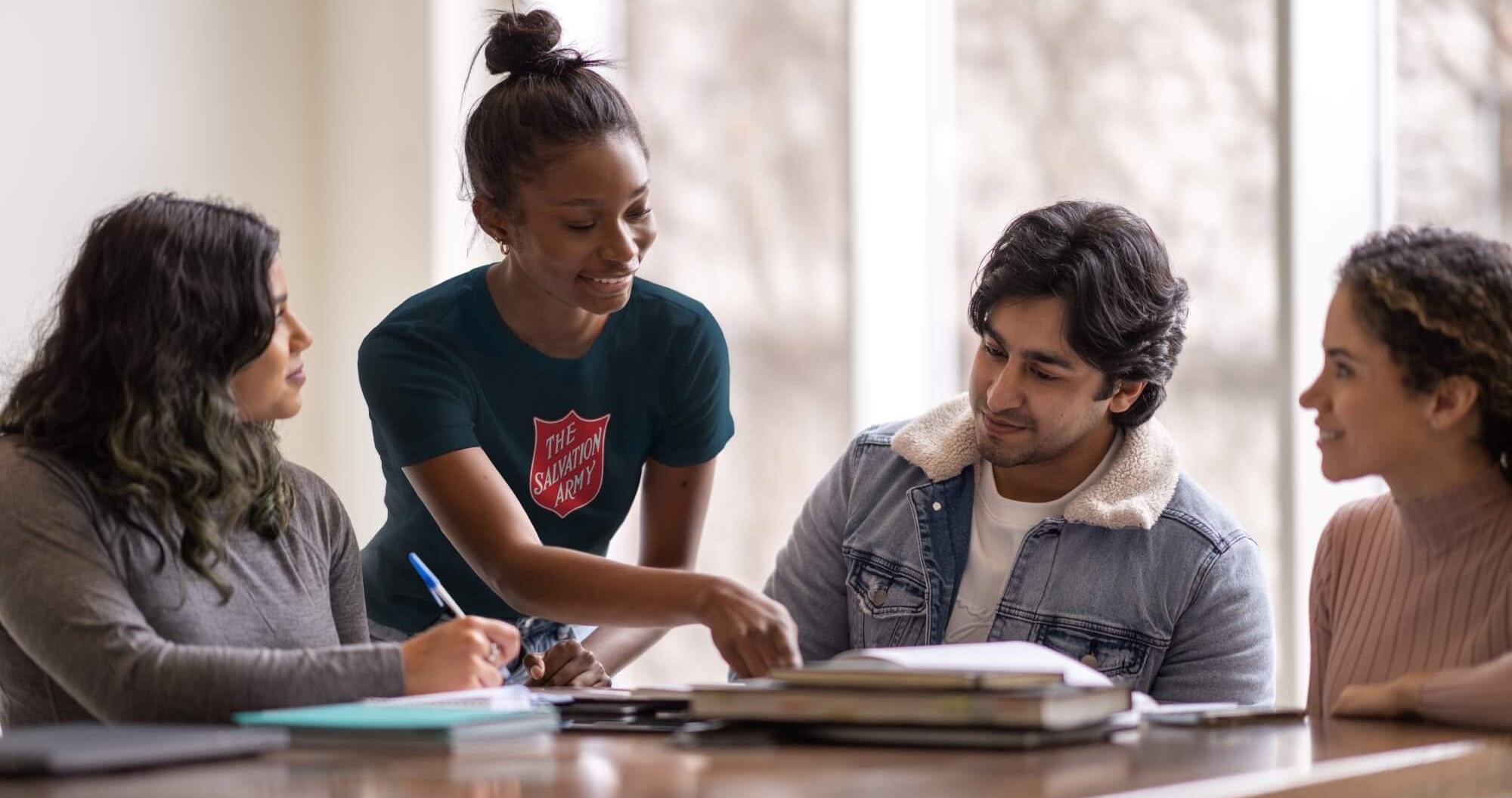
Women are over-represented in almost all the services The Salvation Army provides and under-represented in almost all places of influence. According to the Women’s Gender Equality Agency, Australia’s gender pay gap — the difference between the average earnings for men and women — is the combined result of social and economic factors that reduce women’s earning capacity over their lifetime. Women are also disproportionately more likely to be doing unpaid work at home. Gender inequality also provides the underlying conditions for violence against women.
We need gender equality urgently. Gender equality prevents violence against women and girls and is essential for economic prosperity. Gender equality and women’s economic security will benefit boys and men too, through increased personal wellbeing, stronger relationships, greater economic growth and more peaceful societies. Societies that value all genders equally are safer and healthier — it’s in everyone’s interests to achieve gender equality.
Read more about what The Salvation Army has said on this issue in our submissions.
Housing and homelessness
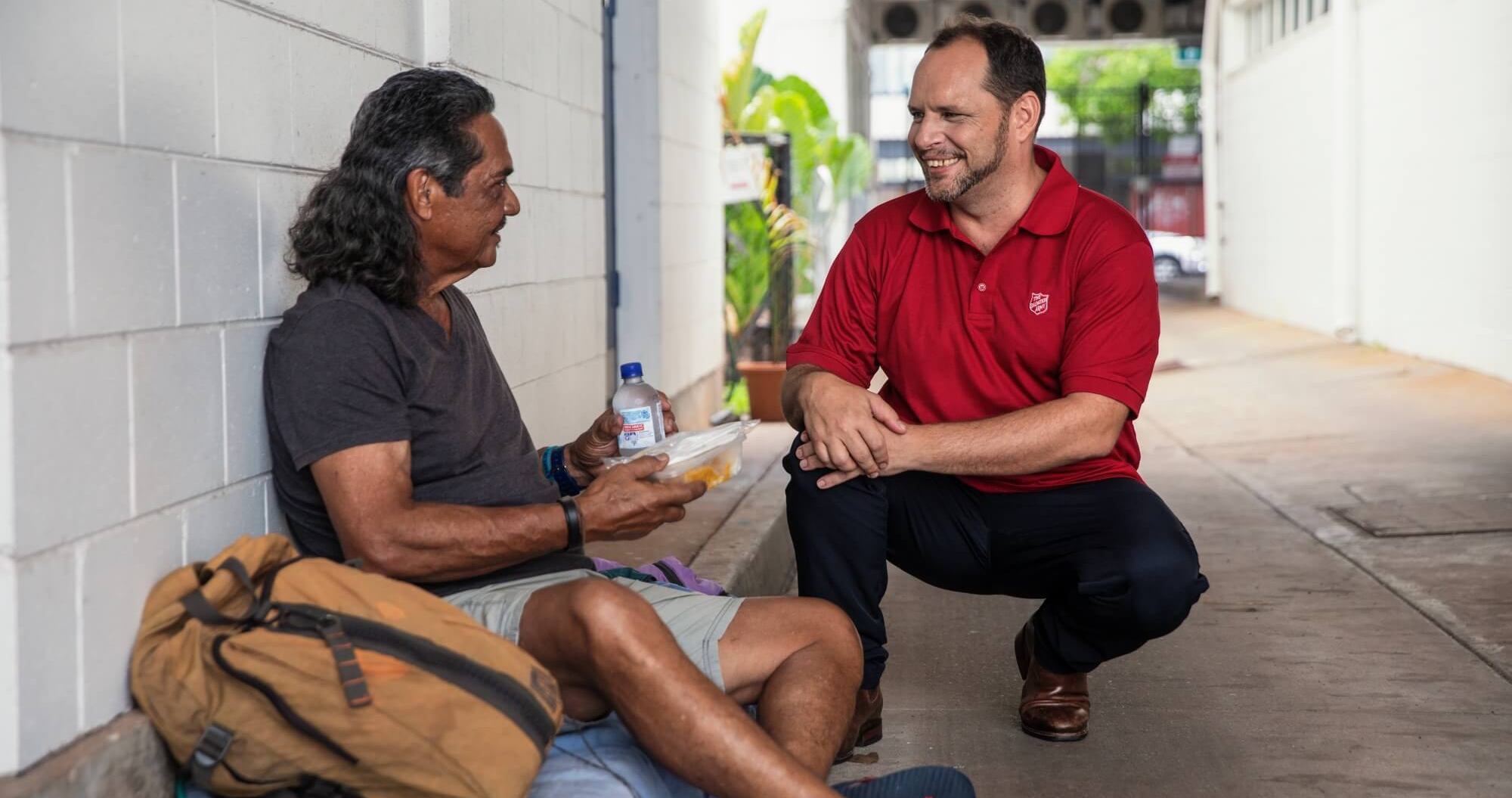
Well over 100,000 people are experiencing homelessness in Australia, and people who experience homelessness are amongst the most socially and economically disadvantaged in our society. The Salvation Army is one of the largest providers of homelessness services across the country. We provide specialist services including supported accommodation, case management, assertive outreach support, brief intervention, prevention and diversion programs.
The Salvation Army advocates to all levels of government on the need to:
- Address the structural causes of homelessness — poverty and the lack of social and affordable housing
- Prioritise early intervention and prevention initiatives; and
- Increase the stock of transitional and crisis accommodation
Health and mental health
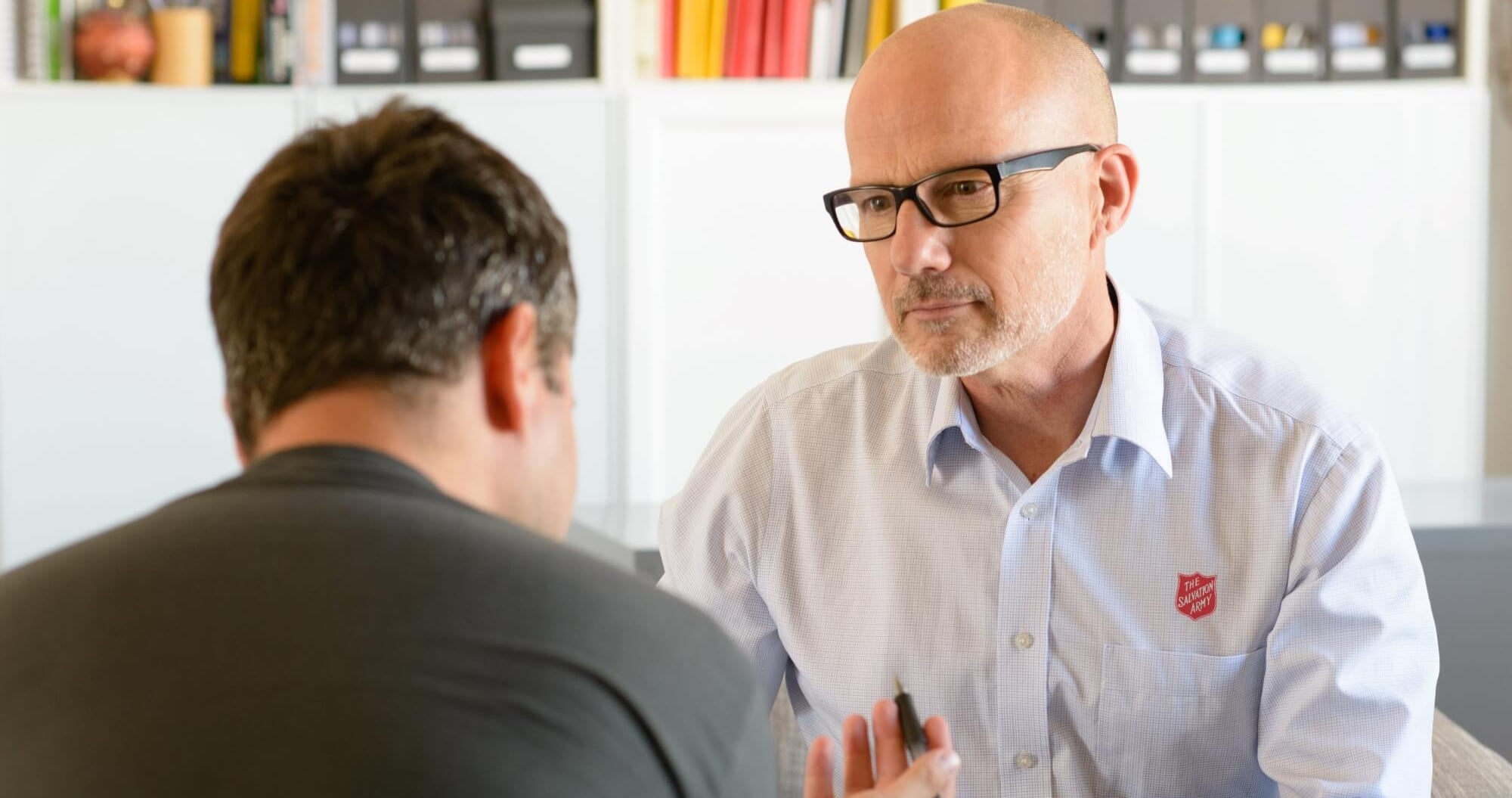
A person’s mental health is a central component of wellbeing. Mental ill-health, whether a condition is considered severe or not, undermines the quality of life for millions of Australians.
Many factors can cause a person to experience mental ill-health. Some of the societal contributors include economic stresses, such as unemployment and homelessness, and social factors including family and domestic violence, substance use disorders, loneliness and social isolation. Once a person is experiencing mental ill-health, it’s easy for minor conditions and setbacks to snowball, and for this to have monumentally negative impacts upon every part of a person’s life.
Mental ill-health does not discriminate. It’s important that anyone experiencing mental ill-health can access timely, non-judgmental and effective support so everyone can achieve and maintain mental health and wellbeing. We probably can’t eradicate all underlying causes of mental ill-health, but we certainly can address much of the hardship that comes with it.
Migration, modern slavery and decent work
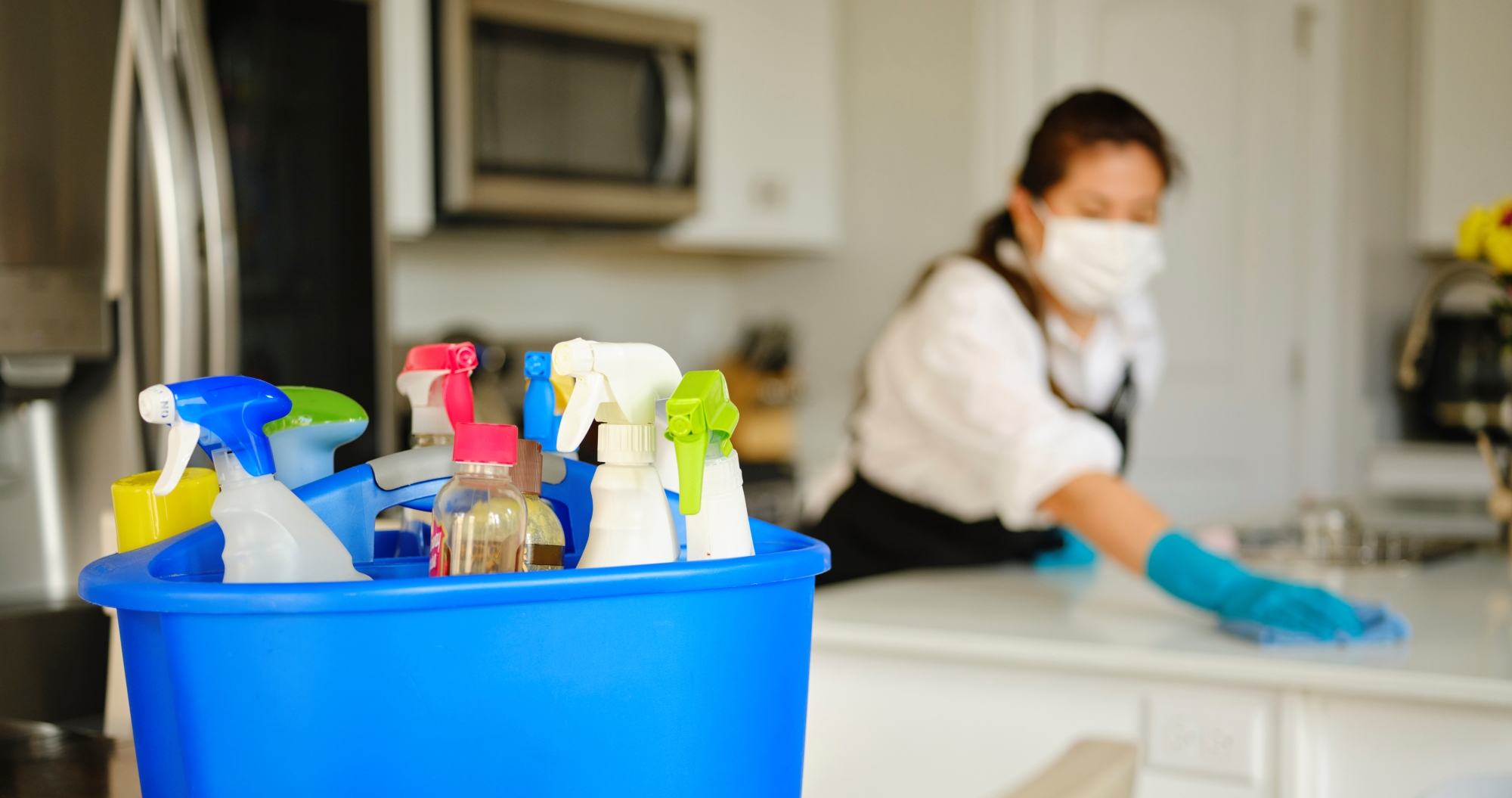
Modern slavery is used to describe the economic exploitation of people through force, fraud, coercion or abuse. It is a crime. Australia has made some progress, but we are still behind other, similar countries, and many of the victims go undetected.
The Salvation Army has a long history of campaigning and advocating for measures to address modern slavery, both in Australia and overseas. We are deeply committed to fighting modern slavery and human trafficking. We advocate for:
- Increased identification of people experiencing modern slavery
- Improved prevention mechanisms in place to avoid exploitation and provide early intervention to those at risk; and
- Flexible, client-centred and rights-based responses available for all survivors who need support, not just those who engage with law enforcement or who access specialist non-government organisations
Read more about what The Salvation Army has said on this issue in our submissions.
Youth
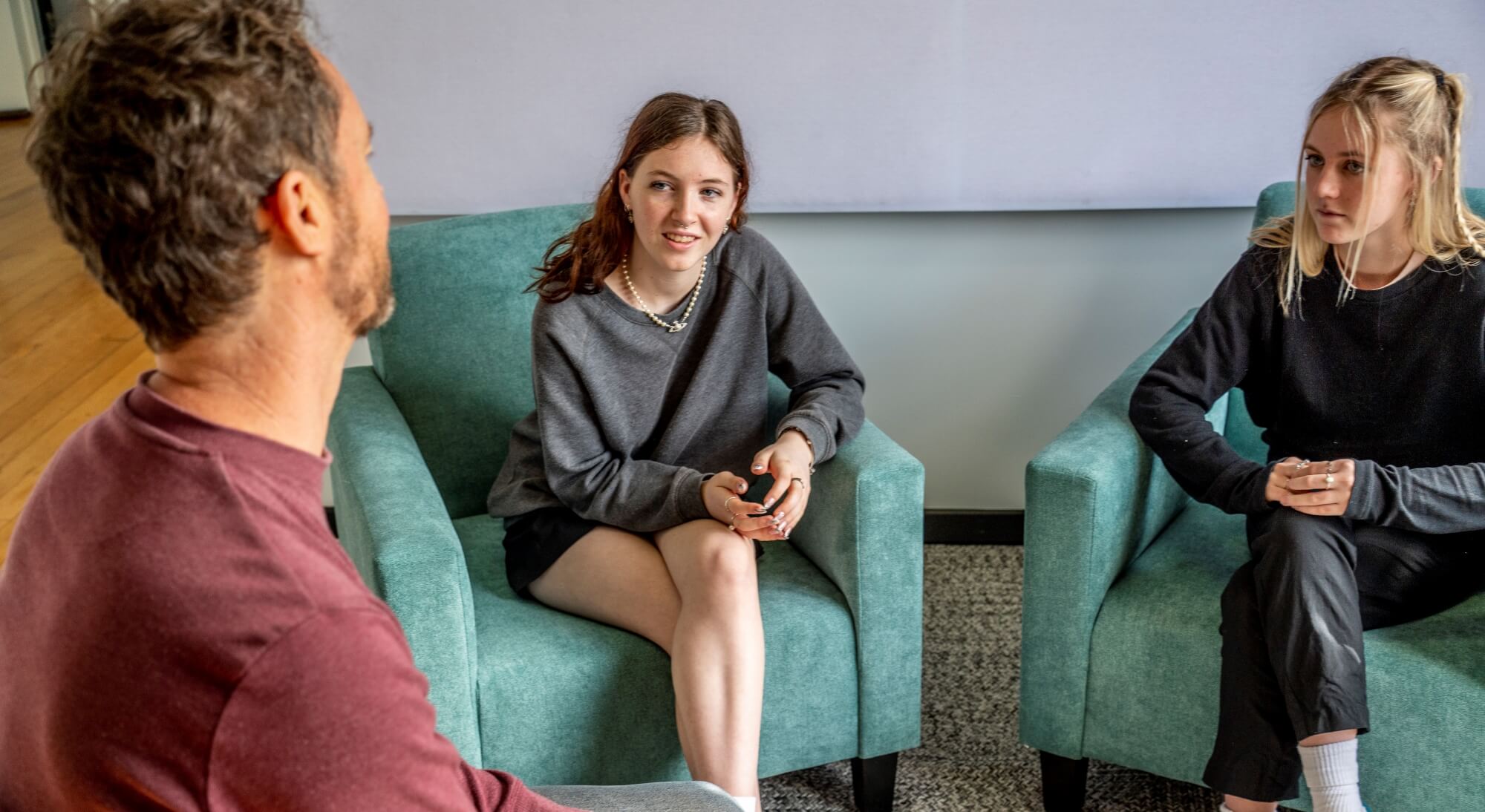
Young people are active agents of change and key actors within our society. Unfortunately, many young people in our country face numerous challenges that are beyond their control and may affect their development and future prospects.
As well as providing specialised youth housing, employment training and education services, The Salvation Army advocates to all governments for:
- A dedicated national youth housing and homelessness plan
- Youth justice reform, including raising the age of criminal responsibility; and
- Structural reform to the social security system, including raising the rate of the JobSeeker Payment and Youth Allowance