
The cost-of-living crisis in Australia
Rising costs, increased hardship
Escaping homelessness and hardship is becoming harder for everyday Australians as the cost-of-living crisis continues to bite.
The compounded impact of the financial and social events of the past few years means homelessness in Australia is fast becoming the reality for an increasing number of individuals and families, including more employed Australians.
Inflation, or the rising costs of living, are putting thousands of Aussies under immense financial hardship, making it impossible for many to make ends meet. These financial challenges affecting the community are also adding to the immense strain being faced by community services and assistance providers, who are struggling in their efforts to try and help individuals and families facing financial hardship and other effects and consequences of inflation.
How is the cost-of-living crisis affecting Australians?
According to government and research data, over 3.3 million Australians are currently living in poverty — that’s more than 1 in 8 people. Cost-of-living pressures are the biggest cause of stress for consumers, with the cost of affordable housing being the top concern in 2025, closely followed by food costs — meaning vulnerable Aussies are at breaking point.
The combination of reduced affordability and lack of adequate housing has exacerbated the risk of homelessness for low income and vulnerable families. Only 2.7 per cent of rental properties advertised in March 2024 were affordable to a two-parent two-child family, with both parents earning minimum wage and receiving the Parenting Payment.
Adding to this hardship is the volatile rental market, with vacancy rates at just 1.9 per cent and rental prices rising significantly — 6.4 per cent to the December quarter. Renters are being faced with impossible choices. 58 per cent of renters reported rent increases in 2024 — that’s an extra $53 per week or $230 per month.
In a bid to survive this hardship, more than 37 per cent cut of Aussies cut back on other living expenses, moved into cheaper housing (17 per cent) or shared housing (7 per cent) to sustain a roof over their heads. Over 42 per cent of renters claim they will struggle to pay rent over the next three months , and almost half (50 per cent) are worried about experiencing homelessness. Data shows a marked increase in the number of people reporting housing affordability stress as the main factor contributing to homelessness in recent times — an almost 36 per cent increase in the three years to 2023-2024.
30 per cent of mortgage holders claimed they will struggle to pay their mortgage over the next three months, and 56 per cent of Australians are more stressed about their finances this year compared to 2024.
15 per cent of Australian households have gone without essentials like food and heating due to a lack of income or money over the past three months, and 56 per cent of Australians are concerned they won't be able to afford essential food.

Inflation
30% of mortgage holders claimed they will struggle to pay their mortgage over the next three months, and 56% of Australians are more stressed about their finances this year compared to 2024.
15% of Australian households have gone without essentials like food and heating due to a lack of income or money over the past three months, and 56% of Australians are concerned they won't be able to afford essential food.
How your Red Shield Appeal donation helps
The ripple effect of current and past events is making it increasingly challenging for households to cope with the worsening housing crisis and rising cost of living, and pushing more vulnerable and everyday Aussies into poverty, homelessness and more.
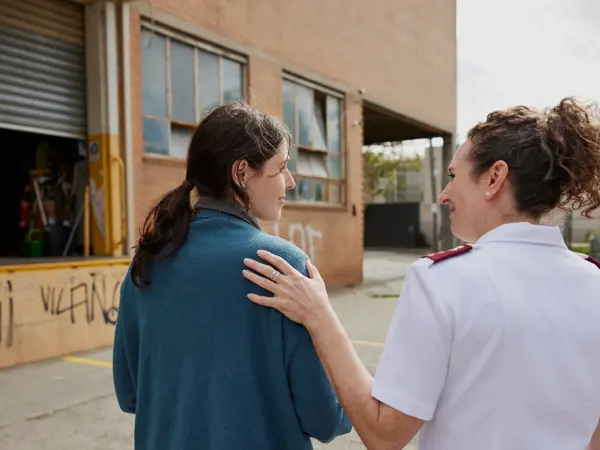
The Salvation Army — a movement dedicated to walking alongside people experiencing hardship, crisis and injustice, is among the leading providers of specialist support services, including homelessness support, in Australia.
Whether it is immediate assistance to avoid eviction or establishing a new life after escaping violence, our wraparound service model is tailored to meet the specific needs of people trying to rebuild their lives after crisis. And with over 140 years of experience in supporting Australians in need, we understand it is more than a band-aid fix.
Your support of The Salvation Army Red Shield Appeal provided the necessary resources to enable us to continue meeting vulnerable people at their point of need and providing life-changing care those who seek the Salvos every day for assistance.
Accommodation and housing services, financial assistance, food vouchers, case management, emergency relief, addiction recovery services, advocacy and referrals, or local corps and community offerings — your support of the appeal ensured those in need continue to get not just immediate help, but also long-term solutions.

People in need
Assisted more than 250,000 people and provided more than 1.76 million sessions of care to people in need.

Emergency relief
Provided over $24.3 million in financial assistance via vouchers, gift cards and cash.

Family and domestic violence
Supported almost 12,000 people and provided more than 108,000 sessions of care to those impacted by family violence.

Homelessness support
Assisted nearly 40,000 people and provided more than 747,000 nights of accommodation to people at risk of, or experiencing homelessness.

Alcohol and other drugs support
Assisted nearly 12,000 people and provided more than 221,000 sessions to those impacted by addiction.
Financial support
Assisted nearly 12,000 people with financial counselling and provided more than 52,000 sessions of care to those in financial need.
Be the hope
